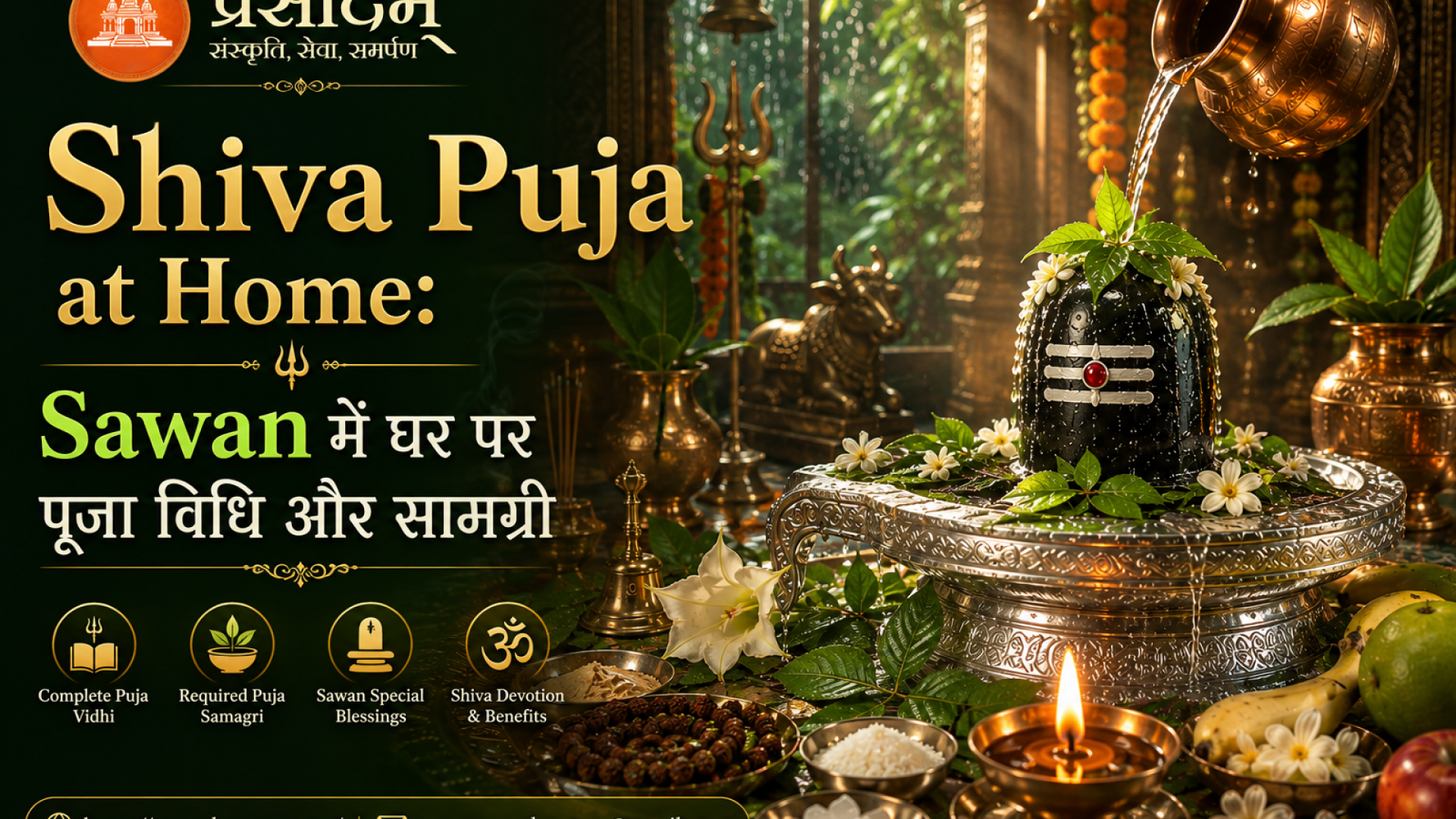
What Is Sawan Vrat 2026?
Sawan Vrat 2026 refers to fasting practices observed by devotees during the sacred month of Sawan, also known as Shravan Maas. Many devotees observe a fast on Sawan Somwar, the Mondays that fall during Shravan, while some follow additional fasting traditions according to their family, region or sampradaya.
The purpose of a vrat is traditionally understood as more than simply avoiding food. Devotees may use the day for prayer, Shiva Puja, meditation, self-discipline and spiritual reflection.
Fasting practices are not identical across India. Some devotees observe a fruit-and-milk based fast, some eat one simple sattvic meal, while others follow stricter practices. A person’s family tradition and local Panchang should therefore be given priority.
Sawan Vrat 2026: Quick Facts
| Topic | Details |
|---|---|
| Main Deity | Lord Shiva |
| Also Known As | Shravan Vrat |
| Main Fasting Days | Sawan Somwar |
| Common Practices | Vrat, Shiva Puja, Jalabhishek, Mantra Chanting |
| Common Vrat Foods | Fruits, milk, curd, nuts, makhana, sabudana and selected vrat flours |
| Salt Used in Many Traditions | Sendha Namak |
| Important Consideration | Rules vary by region and family tradition |
Sawan Somwar is traditionally regarded as an auspicious time for Shiva worship. In the North Indian calendar tradition, the 2026 Sawan Somwars fall on August 3, 10, 17 and 24. Several Amanta-calendar regions observe their Shravan Somwars later, beginning August 17.
Sawan Vrat Rules 2026
There is no single fasting rule followed by every Hindu community. However, several practices are commonly associated with the Sawan fasting rules 2026.
1. Begin the Day with Cleanliness
Many devotees wake early, bathe and wear clean clothes before beginning their worship.
The home or Puja area may also be cleaned before Shiva Puja.
2. Take a Sankalp
A devotee may take a simple sankalp, or personal devotional intention, before beginning the vrat.
The intention may be to observe the fast with devotion, discipline and sincerity.
3. Worship Lord Shiva
Many devotees perform Shiva Puja at home or visit a Shiva temple.
Common practices include:
- Jalabhishek
- Offering Bel Patra
- Offering flowers and fruits
- Lighting a diya
- Chanting Shiva mantras
- Performing Aarti
4. Follow Your Traditional Fasting Method
Some people observe a fruit-based fast, some consume milk and selected vrat foods, and others observe a single sattvic meal.
There is no need to copy another family’s fasting pattern if it conflicts with your own tradition.
5. Practice Self-Control
Sawan fasting is traditionally associated with discipline beyond food. Devotees may also try to avoid anger, unnecessary arguments, harsh speech and other negative behaviour.
How to Keep Sawan Vrat
For beginners, the most important thing is to keep the process simple.
Morning Routine
- Wake up early.
- Take a bath and wear clean clothes.
- Clean your Puja area.
- Light a diya.
- Take your vrat sankalp.
- Perform Shiva Puja.
- Offer water during Jalabhishek.
- Chant Om Namah Shivaya or another Shiva mantra.
During the Day
Depending on the fasting tradition, devotees may consume permitted foods and spend time in prayer, meditation, reading devotional material or visiting a temple.
The vrat should also be treated as a day of calmness, restraint and spiritual focus.
Evening
Many devotees perform evening prayers or Aarti and complete the fast according to their family’s custom or local Panchang.
Sawan Vrat Puja Vidhi
A simple Sawan Vrat Puja Vidhi can be performed at home without an elaborate arrangement.
Step 1: Prepare the Puja Space
Clean the area and place an appropriate image or Shiva Linga according to your family’s tradition.
Step 2: Light a Diya
Light a diya and incense if these are part of your regular Puja practice.
Step 3: Perform Jalabhishek
Offer clean water respectfully while praying to Lord Shiva.
Step 4: Offer Bel Patra
Offer fresh Bel Patra according to your tradition.
Step 5: Offer Flowers and Fruits
Fresh flowers and fruits can be offered as devotional offerings.
Step 6: Chant a Mantra
A simple and widely known mantra is:
Om Namah Shivaya
Devotees may also recite the Mahamrityunjaya Mantra according to their tradition.
Step 7: Complete the Puja
Offer your personal prayer and perform Aarti if customary.
For PrasadamSeva, this section should later link to a separate detailed Shiva Puja at Home article.

Sawan Fasting Food: What Can You Eat?
One of the most searched questions during Sawan is what to eat during Sawan Vrat.
Fasting foods vary by region and family tradition, but commonly used vrat-friendly foods include:
- Fresh fruits
- Milk
- Curd
- Makhana
- Nuts and seeds
- Coconut
- Sabudana
- Potatoes and sweet potatoes
- Singhara flour
- Kuttu flour
- Rajgira
- Sendha namak in traditions that permit salt
Current 2026 fasting guidance published by The Times of India also lists fruits, dairy products, nuts, makhana, sabudana and selected fasting flours among foods commonly eaten during Sawan fasts.
Popular Sawan Vrat Food Ideas
Some commonly prepared options include:
- Sabudana Khichdi
- Sabudana Vada
- Kuttu Roti or Cheela
- Singhara flour dishes
- Makhana Kheer
- Fruit Chaat
- Boiled or roasted sweet potato
- Samak-based preparations, where permitted by the family tradition
The exact ingredients used in vrat recipes should always follow the fasting rules you personally observe.
What Not to Eat During Sawan Vrat?
Traditional restrictions vary considerably.
Many Sawan fasting traditions avoid:
- Grains
- Meat
- Eggs
- Alcohol
- Onion
- Garlic
Some traditions also restrict particular spices, oils or other ingredients.
Current reporting on Sawan Somwar fasting similarly describes avoiding grains, non-vegetarian food, eggs, onion and garlic in many commonly followed fasting traditions.
However, do not present every food restriction as a universal Hindu rule. Fasting customs differ across regions, communities and families.
Can We Eat Onion and Garlic During Sawan Vrat?
In many traditional fasting practices, onion and garlic are avoided during Sawan Vrat.
However, this is a practice associated with particular fasting traditions rather than a rule that every Hindu family follows identically.
For your website, the safest editorial approach is:
Follow the vrat tradition observed by your family, temple or spiritual guide.
Can We Eat Salt During Sawan Vrat?
Many vrat traditions allow sendha namak (rock salt) while avoiding regular table salt.
However, salt rules can vary between different fasting traditions. If your family follows a specific vrat method, follow that established practice.
Can We Drink Tea During Sawan Vrat?
There is no single universal rule about tea during Sawan fasting.
Some devotees include tea or milk-based drinks in their personal fasting routine, while stricter traditions may avoid them.
The important point is to understand that Sawan Vrat is a religious practice with regional variation, not one standardized diet followed by everyone.
Sawan Fasting Rules for Beginners
If you are observing your first vrat, do not assume that a stricter fast is automatically a better fast.
A beginner can focus on:
- Understanding the tradition before starting.
- Choosing a fasting method that is appropriate for them.
- Staying hydrated when their fasting tradition permits fluids.
- Keeping meals simple when food is allowed.
- Spending time in prayer and reflection.
- Avoiding unnecessary physical strain.
- Ending the fast calmly rather than overeating.
Current 2026 guidance also advises beginners not to take on an unnecessarily strict fast and to choose a method appropriate to their age, health and family tradition.
Sawan Vrat Timings 2026
There is no single Sawan Vrat timing for the entire country.
Panchang-based observances can vary according to location, sunrise and the calendar tradition being followed. Drik Panchang specifically provides location-based Sawan Somwar calculations and notes that Hindu calendar days are tied to local sunrise.
For this reason, readers should check a reliable city-specific Panchang for:
- Vrat start
- Puja Muhurat
- Sunrise
- Sunset
- Vrat Parana
This is especially important for readers who live outside their family’s traditional region.
What Is Sawan Vrat Parana?
Parana refers to the completion or breaking of a fast.
The exact method and timing of Sawan Vrat Parana depend on the type of vrat being observed and the local tradition.
Many devotees first complete their prayer or Aarti and then have a simple meal according to their family custom.
A sensible approach after fasting is to begin with light, familiar food rather than immediately eating a very heavy meal.
Do not publish one universal Parana time for all of India. Use a location-specific Panchang when an exact timing is required.
Sawan Vrat Dos and Don’ts
Do’s
- Follow your family’s traditional vrat method.
- Keep the Puja area clean.
- Maintain a calm and respectful mindset.
- Drink adequate fluids if your fasting tradition permits them.
- Choose simple, nutritious vrat foods when eating is allowed.
- Spend time in prayer, meditation or seva.
- Check a local Panchang for exact observance timings.
Don’ts
- Do not treat a regional custom as a universal rule.
- Do not force yourself into an unsafe fast.
- Do not overeat immediately after breaking the fast.
- Do not spread unverified religious claims.
- Do not ignore medical or dietary requirements.
- Do not assume that every Sawan fast has the same rules.
Sawan Vrat Benefits
From a devotional perspective, many devotees associate fasting with:
- Self-discipline
- Prayer and devotion
- Mindfulness
- Reduced distractions
- Spiritual reflection
- Greater control over habits
These are traditional spiritual benefits, not guaranteed medical outcomes.
Fasting can affect people differently, so physical health should always be considered before undertaking a strict fast.
Is Sawan Vrat Compulsory?
No single fasting practice should be presented as compulsory for every Hindu devotee.
People express devotion to Lord Shiva in different ways, including:
- Prayer
- Shiva Puja
- Temple visits
- Mantra chanting
- Charity
- Seva
- Reading devotional texts
- Fasting according to their tradition
The meaningful part of the practice is sincere devotion and disciplined observance.
Can Everyone Keep Sawan Vrat?
Not everyone should follow the same fasting method.
Children, older adults, pregnant women, people taking regular medication and people with medical conditions may need special consideration.
Anyone with a health condition or dietary requirement should speak with an appropriate healthcare professional before undertaking a restrictive fast.
Religious observance should not require someone to put their health at unnecessary risk.
10 Frequently Asked Questions
1. What are the Sawan Vrat rules in 2026?
Common rules include cleanliness, Shiva worship, fasting according to one’s tradition, mantra chanting and self-discipline. Specific rules vary by family and region.
2. How to keep Sawan Vrat?
Begin the day with a bath and prayer, take a sankalp, worship Lord Shiva, follow your chosen fasting method and maintain a calm, disciplined mindset.
3. How to observe Sawan Vrat for the first time?
Start with a simple traditional method rather than an unnecessarily strict fast. Understand your family’s customs and choose a fasting method appropriate for your health.
4. What can we eat during Sawan Vrat?
Common vrat foods include fruits, milk, curd, nuts, makhana, sabudana, potatoes and selected fasting flours such as kuttu, singhara and rajgira.
5. What should we avoid during Sawan Vrat?
Many fasting traditions avoid grains, meat, eggs, onion, garlic and alcohol. Exact restrictions depend on regional and family traditions.
6. Can we eat onion and garlic during Sawan Vrat?
Many traditional vrat practices avoid onion and garlic, but this is not identical across every family or regional tradition.
7. Can we eat salt during Sawan Vrat?
Some fasting traditions permit sendha namak while avoiding regular table salt. Follow the method used by your family or spiritual tradition.
8. Can we drink tea during Sawan Vrat?
Tea rules vary. Some devotees consume tea or milk during a less restrictive fast, while others avoid it.
9. When should Sawan Vrat be broken?
The timing depends on the specific vrat and local tradition. For exact Parana timing, check a reliable city-specific Panchang.
10. What are the benefits of Sawan fasting?
Devotees traditionally associate the vrat with devotion, self-discipline, prayer, mindfulness and spiritual reflection. These should be understood as traditional spiritual benefits rather than guaranteed medical effects.
Final Thoughts
Sawan Vrat 2026 is not simply about going without food. For many devotees, it is a complete spiritual practice involving prayer, self-discipline, Shiva worship and mindful living.
The most important Sawan Vrat rules are the ones followed sincerely and responsibly according to your family, region and tradition. Whether you follow a fruit-based fast, a sattvic vrat meal or another established practice, the purpose should remain devotion rather than physical hardship.
For exact fasting and Parana timings, always check the Panchang applicable to your location. Regional calendars can produce different observance dates, so relying on a generic online date may lead to confusion.
Next on PrasadamSeva: How to Perform Shiva Puja at Home During Sawan, followed by detailed guides on Jalabhishek, Bel Patra, Panchamrit and Sawan Prasad.